過去二十年裏,粗話的使用變得越來越被接受,因爲人們在對話中用它來強調重點或建立社交關係,而不僅僅是用來侮辱他人,語言學專家指出。
據學術研究者稱,英國最常用的兩個粗話“****”和“Shit”經常被用來強調對話中的重點或者建立社交關係,而不是特意去冒犯他人。
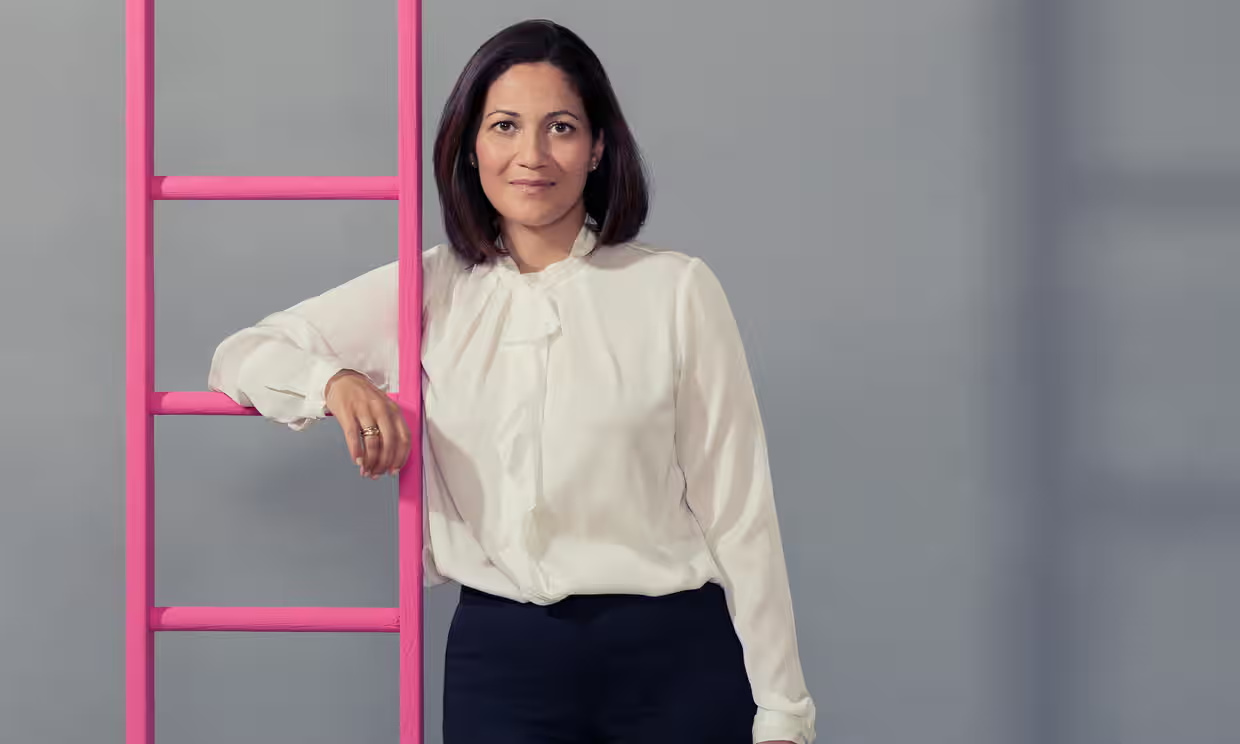
這些評論發表之後,BBC主持人Mishal Husain在對內政部長James Cleverly的一次採訪中,不到一分鐘就說了七次粗話。
該主持人在週二的Radio 4 Today節目中質問他近期被指控說過的一些話,包括他是否曾把某人或某地形容爲“shit-hole”。
伯明翰阿斯頓大學的英語語言講師Dr Robbie Love表示:“和所有語言的使用一樣,粗話完全依賴於上下文環境和特定情境。詞語的不同用途,以及如何運用,決定了它的接受程度。”
Love指出,研究發現,人們在日常對話中常常用粗話來表示驚訝、創造幽默、和同伴表達團結,或者侮辱他人。
但是,他說,Husain並沒有這樣做。“相反,她提到了[Cleverly據稱]使用過的這個詞,並詢問他是否說過這個詞。在這種情況下,我認爲這更可能被認爲是可以接受的,而不是她在故事結束時突然說,‘那就是一堆屎,不是嗎?’”
他進一步指出,最常見的粗話由於人們的使用方式,變得越來越不成爲禁忌。比如,“****”這個詞越來越多地被用在一些通用的短語中,如“oh, for **** sake”,或者“what the ****?”這樣的短語,減少了其冒犯性。
Love還指出,粗話在日常對話中還有其他作用,如在朋友或工作同事之間形成社交紐帶,其使用表達了一種團結感或與羣體的社交親密度。
南安普頓大學商學院的管理學教授Yehuda Baruch稱,他的研究發現,像律師、醫生和高級經理等專業人士使用粗話來增強團隊凝聚力,緩解壓力和強調重點。
Baruch還說,粗話也被用於有計劃地吸引注意力,例如億萬富翁Elon Musk在紐約時報DealBook峯會的一次訪談中使用了F詞。
他補充道:“我確信Mishal這樣做是因爲她想強調這一點,以便所有人都會聽到。四十年前,她絕不會這樣做。但不幸的是,這是有效的。這就是新語言,我們必須接受它。”
Swearing is becoming more widely acceptable, linguistics experts claim
Swearwords increasingly used for emphasis and to build social bonds, rather than to insult, say academics
Swearing has become more widely acceptable over the past two decades because it is increasingly used for other purposes than to insult people, linguistics experts have said.
“****” and “shit”, the two most commonly used swearwords in the UK, are frequently used to emphasise a point in conversation or to build social bonds, rather than with the specific intent to cause offence, according to academic researchers.
They made the comments after the BBC presenter Mishal Husain swore seven times in under a minute during an interview with the home secretary, James Cleverly.
The broadcaster questioned him on Radio 4’s Today programme on Tuesday about things he had recently been accused of saying, which included whether he had described a person or a place as a “shit-hole”.
Dr Robbie Love, a lecturer in English Language at Aston University, Birmingham, said: “Swearing, as with all language use, is entirely context dependent and context specific. It’s what you do with the word and the various functions, as far as performed, that informs the perception of how acceptable it is.”
Love said research had found that people commonly swore in casual conversation to express surprise, to create humour, to show solidarity with their peers, or to abuse someone.
But Husain was not doing any of these, he said. “Rather, she’s referring to the word that [Cleverly allegedly] used and asking whether he said it. In that context, I would argue that it’s more likely to be considered acceptable, than if she suddenly said at the end of the story, ‘Well, that was a load of shit, wasn’t it?’
“The choice to say it might be part of a strategy to rattle James Cleverly, and not to euphemistically replace that term to force him to acknowledge the reality of that word. But I’m not sure if anybody would genuinely be offended by hearing that word in that context.”
Love, who has published studies on swearing trends in informal conversation between the 1990s and 2010s, and the use of the F-word among British teenagers, said most swearwords were becoming less taboo due to the ways in which people were using them.
For example, the F-word was increasingly being used in generic phrases such as “oh, for **** sake”, or “what the ****?”, which had lessened its impact to offend, he added.
“If you break it down and think, if I say, ‘who the **** did that?’, as opposed to ‘who did that?’, what does ‘****’ actually mean? It’s just emphasising the general sentiment,” he said.
The academic added that this use of the word was happening a lot more now than a few decades ago. “That’s good evidence that the specific meaning of that word is falling away, because when people use it, they’re using it in these kind of generic ways.”
Love said swearing performed other functions in casual conversation, such as forming social bonds between friends or work colleagues, where its usage signalled a degree of solidarity or social intimacy with the group.
Yehuda Baruch, a professor of management at the University of Southampton’s business school, said his research with professionals such as lawyers, doctors and senior managers found swearing was used to create team cohesion, relieve stress and emphasise a point.
Baruch said swearing was also used in a calculated attempt to gain attention, for example, he believed, when the billionaire Elon Musk used the F-word in an interview at the New York Times DealBook summit.
He added: “I’m sure Mishal did it because she wanted to emphasise the point, so that everybody will listen. Forty years ago, she would never do it. But unfortunately, it is effective. This is the new language and we have to live with it.”
更多遊戲資訊請關註:電玩幫遊戲資訊專區
電玩幫圖文攻略 www.vgover.com